
What I Look for in a Flooring Store in Waltham, MA After a Decade in the Trade

I’ve been installing and specifying floors for a little over ten years, mostly across eastern Massachusetts, and a lot of my recent work has been tied to projects that started with a Flooring Store Waltham MA. That matters because Waltham homes aren’t generic. You see everything from older colonials with uneven subfloors to renovated multifamily units where moisture and noise transfer can quietly ruin a good-looking floor if the wrong choices are made early.
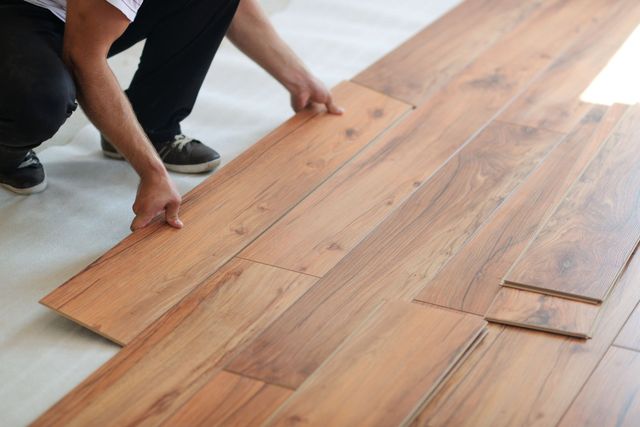
One job that still sticks with me involved a couple updating the first floor of a late-1950s home. They’d already visited a big-box store and picked a laminate based on price and color alone. When I walked the space, I felt the bounce right away. The subfloor had some flex that wasn’t obvious unless you knew what to look for. I advised against laminate there—not because laminate is bad, but because that floor would telegraph every movement. We pivoted to a thicker engineered option with proper underlayment. A year later, they told me it was the first renovation decision they didn’t second-guess.
I’ve found that a good local flooring store understands these nuances without turning it into a lecture. Last spring, I worked with a small commercial client converting part of a mixed-use building into office space. The initial plan was wide-plank hardwood everywhere, including areas with exterior entrances. I pushed back. In Waltham, winter means salt, slush, and tracked-in grit. I’ve replaced enough warped boards to know better. We used a durable luxury vinyl in the entry zones and kept wood where it made sense. The result looked intentional, not compromised, and it’s held up under daily foot traffic.
One mistake I see homeowners make over and over is focusing entirely on the surface material and ignoring prep. People rarely want to hear about leveling compound, moisture readings, or acclimation time, but those steps decide whether a floor lasts or fails. I once inherited a job where someone skipped acclimation to save a day. By the first heating cycle, gaps appeared that no amount of filler could truly hide. That wasn’t a product problem—it was an experience problem.
After years in this work, my perspective is simple: a flooring store earns its value by helping you avoid regret. Not every trendy finish belongs in every room. Not every “waterproof” label means what customers think it means. The stores I respect most are the ones willing to slow the process down, ask how the space is actually used, and steer people away from choices that look great in a sample rack but struggle in real homes.
Floors take more abuse than almost anything else in a building. When they’re chosen and installed with local conditions in mind, they disappear into daily life the way good craftsmanship should. When they’re not, they become a reminder every time something creaks, shifts, or wears faster than expected. That difference usually starts at the store counter, long before the first plank is laid.