
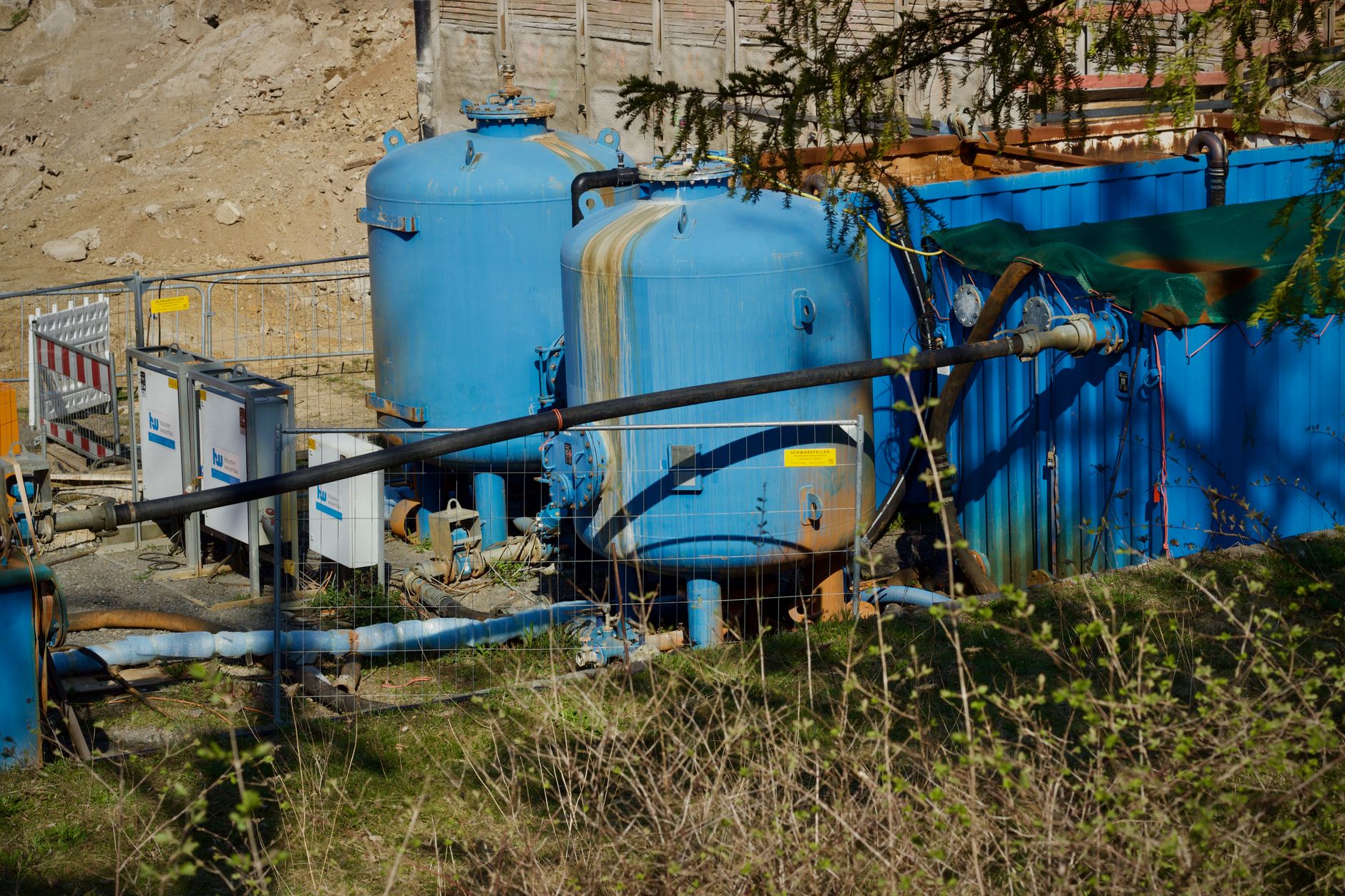

Every whole house filtration system is installed at one spot: the point where the main water line enters the building and before it branches to the water heater, fixtures, and appliances. That location decides what the system treats, how it is plumbed, and how long the install takes. Understanding it makes the rest of the process easier to follow.
Reading Your Water
A plumber usually starts with the water, not the equipment. In Atlantic County the source matters a great deal. Homes on municipal supply tend to deal with chlorine taste and odor, plus sediment that can build up in older mains. Homes on private wells, common in the more rural parts of the county, face a different list: iron, which leaves orange-brown stains on fixtures and laundry, along with sediment, sulfur odor, and sometimes low pH. Sandy shore soils and a high water table can add fine particulate that older pipes then hold onto.
A basic water test, either a lab sample or an on-site check, tells the installer which media and stages make sense. Chlorine is generally handled with carbon. Heavy iron may call for an oxidizing or iron-specific stage ahead of the carbon, and sediment calls for a pre-filter that protects everything downstream. Skipping this step is how homeowners end up with a tank that does not address the actual problem.
The Main Line
Once the treatment plan is set, attention shifts to the main line. This is the one place where a single connection treats every tap in the house, so the plumber looks for a stretch of straight pipe with enough clearance for the tank, filter housings, and room to service them later. In many shore-area homes that means a basement or utility room. Slab homes and crawl-space homes may use a garage, a mechanical closet, or an exterior enclosure.
Several shared plumbing points come into play here. The main shutoff valve must work, since the whole job depends on isolating the house. A pressure gauge reading before work begins shows whether the system will need a regulator. Bypass valves are fitted so the filter can be taken out of service without cutting off water to the house. Any hose bibs for outdoor use are considered too, since many homeowners prefer that irrigation lines receive filtered or unfiltered water by choice. Making these decisions early prevents rework once pipe is cut.
Local code and the type of existing piping, whether copper, CPVC, or PEX, also shape the connections. A licensed plumber handles transitions between materials and confirms that backflow and drain requirements are met. For homeowners comparing what a Whole house filtration system involves in this area, the main line work is the part that separates a professional installation from a simple filter swap. Most Valuable Plumbing, a local contractor, handles this kind of work as a standard plumbing job rather than an appliance drop-off.
Install Day Steps
The sequence is fairly consistent from house to house. First, the plumber notifies the household and shuts off the main supply, then opens a low fixture and a high fixture to drain the line. Second, the pipe is measured and cut at the chosen location, and the new inlet and outlet fittings are soldered, crimped, or pushed on depending on the material.
Third, the filter components are mounted and connected: sediment housing first, then any iron or conditioning tank, then carbon. Bypass valves go in at the ends, and a drain line is run if the system backwashes. If a unit needs electricity, an outlet is checked nearby.
Fourth, the water is turned back on slowly. The plumber checks every joint for leaks, flushes air out of the lines, and runs the system through its first rinse so loose carbon fines do not reach the faucets. Finally, flow and pressure are tested at several fixtures, and the plumber explains filter change intervals and how to use the bypass.
Most installs take a single day, and the house is without water for only part of it. For a next step, ask a licensed plumber to test your water and inspect the spot where your main line enters the house before you choose any equipment.