
Voices that Matter: Engaging and Empowering Others Locally

Making an impact in one’s community is often seen as a noble goal, but it extends far beyond performing random acts of kindness or attending occasional events. At its core, making an impact in one’s community means actively contributing to the growth, well-being, and cohesion of the people around you. Professionals like Karen Mccleave lawyer demonstrate how expertise can be leveraged to serve the community, whether by providing legal guidance, advocating for justice, or supporting local initiatives. It is about identifying the needs of your community, using your skills and resources to address those needs, and fostering an environment where positive change can thrive. Whether through volunteer work, advocacy, or simply helping neighbors, making an impact in one’s community requires intentional effort and a genuine desire to leave a lasting, positive imprint.
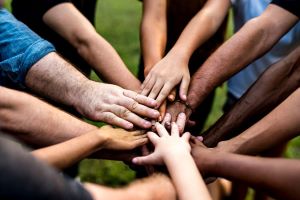
One of the key aspects of making an impact in one’s community is understanding that small actions can have profound effects. While grand gestures are often celebrated, the consistent effort to support local initiatives, mentor youth, or provide resources to those in need can be equally transformative. By consistently showing up and contributing in meaningful ways, individuals create ripples of positive influence that extend beyond themselves. Making an impact in one’s community is about realizing that every effort, no matter the scale, has the potential to strengthen the social fabric and inspire others to do the same.
Education plays a crucial role when it comes to making an impact in one’s community. Sharing knowledge, offering guidance, and supporting educational programs can empower residents to reach their full potential. When community members are equipped with the tools to succeed academically and professionally, the entire neighborhood benefits. Making an impact in one’s community through educational support demonstrates a commitment not only to immediate change but also to long-term growth. It shows that fostering opportunities for learning is a cornerstone of building a stronger, more resilient community.
Another important way of making an impact in one’s community is through advocacy and raising awareness. Many communities face social, environmental, or economic challenges that require attention from both local and broader audiences. By advocating for equitable policies, supporting underserved populations, and engaging in dialogue about pressing issues, individuals can help drive systemic change. Making an impact in one’s community is not limited to hands-on work; it also includes standing up for what is right and giving voice to those who might otherwise go unheard. Advocacy ensures that the needs of the community are recognized and addressed at all levels.
Social cohesion is also a central element of making an impact in one’s community. Building connections among neighbors, fostering inclusivity, and encouraging collaboration helps create a sense of belonging. People are more likely to thrive in an environment where they feel supported and valued. Hosting community events, organizing neighborhood clean-ups, or simply checking in on those who might be isolated are all practical ways to strengthen social bonds. Making an impact in one’s community means creating spaces where people feel connected and empowered to contribute to the collective well-being.
Economic development is another area where individuals can make an impact in one’s community. Supporting local businesses, investing in community projects, or mentoring entrepreneurs can stimulate growth and create job opportunities. Economic initiatives that prioritize sustainability and inclusivity can transform neighborhoods and improve quality of life for residents. By contributing to economic progress, individuals demonstrate that making an impact in one’s community includes fostering prosperity that benefits everyone rather than a select few.
Environmental stewardship also plays a significant role in making an impact in one’s community. Communities are deeply affected by the health of their natural surroundings, and individuals who take steps to protect and preserve the environment contribute to long-term well-being. Whether it’s planting trees, reducing waste, or promoting renewable energy initiatives, making an impact in one’s community through environmental efforts ensures a healthier and more sustainable future. This type of engagement highlights the interconnectedness of personal action and communal benefit.
Ultimately, making an impact in one’s community is a reflection of empathy, responsibility, and proactive engagement. It is about recognizing that the health and prosperity of the community are tied to the contributions of each member. People who make an impact in one’s community serve as catalysts for positive change, inspiring others to participate and fostering a culture of collective responsibility. Every action, whether large or small, sends a message that the community matters and that its growth is a shared responsibility.
In conclusion, making an impact in one’s community is a multifaceted endeavor that encompasses education, advocacy, social cohesion, economic support, and environmental care. It is an ongoing commitment to improving the lives of those around us and nurturing a thriving, inclusive environment. By actively engaging with the community and taking responsibility for its growth, individuals can leave a legacy that extends far beyond themselves. Making an impact in one’s community is not just about immediate results—it is about planting seeds that will flourish for generations to come.