

The people who dug the Middlesex Canal wanted water to stay put. Today’s homeowners living near its remains want the opposite: water that arrives when called for, leaves when finished, and never lingers where it shouldn’t. The ground hasn’t changed its mind, but the way we plumb on top of it has.
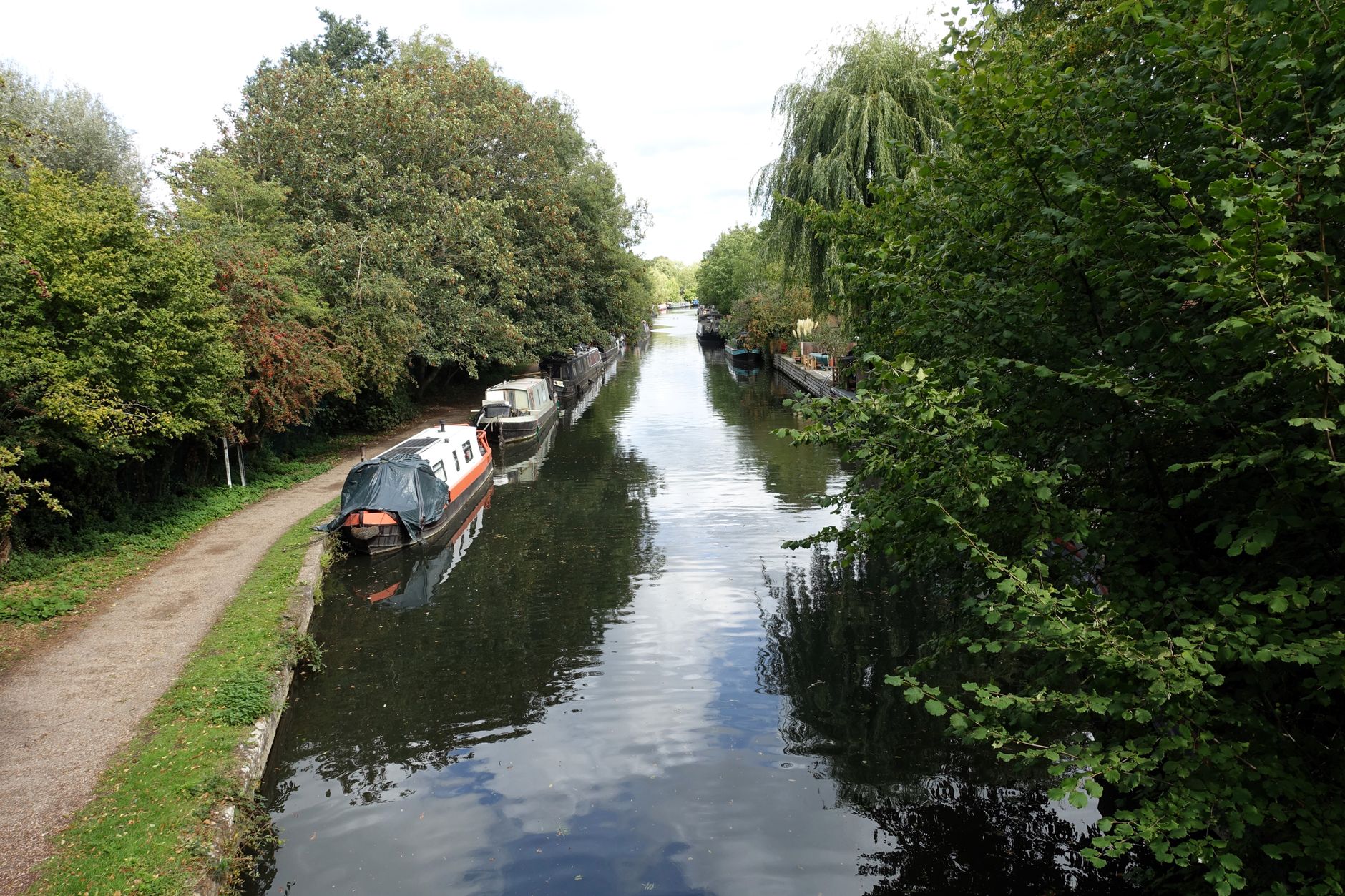
Wet Ground Then vs. Wet Ground Now
The canal was cut through low, soggy terrain because that is where water naturally gathers. Builders in the early 1800s used the land’s dampness as an asset. A century or two later, houses went up on and around that same ground, and the dampness became a maintenance problem instead.
Earlier plumbing simply tolerated it. Pipes were buried where they were convenient, and nobody asked how often the soil around them was saturated. Now a plumber working near the canal route starts with a different question: how high does the water sit through the year, and what is the system doing about it?
Original Pipework vs. Modern Supply Lines
Older homes in this part of Massachusetts often began with galvanized steel or lead-era service connections, later patched with whatever was available. Constant moisture is hard on those materials. Steel corrodes from the outside in, and joints that were fine for decades start weeping.
Modern supply lines are usually copper or PEX, with a replacement service line running from the street to the house. The material matters less than the logic: pipe chosen for wet, shifting soil, with fittings that can be inspected rather than buried and forgotten.
Cellar Seepage vs. Managed Drainage
The old answer to a damp cellar was a bucket, a mop, and a shrug. Some houses had a crude floor drain that emptied somewhere unknown. Water came in, and people lived with the smell.
Managed drainage treats seepage as a system to be designed. That means a properly sized sump pit and pump, a discharge line that carries water well away from the foundation, and floor or perimeter drains that actually connect to something. Backup power or a secondary pump is worth considering where the water table runs high.
Guesswork Repairs vs. Licensed Inspection
A wet basement tempts people to guess. A patch goes over a stain, a pump gets swapped without checking the discharge, or a sagging pipe gets propped with a brick. Sometimes that holds for a season, but it rarely addresses why the water was there.
A licensed plumber inspects first: supply pressure, visible corrosion, how the drain line is pitched, whether the sump runs when it should. For homeowners near the canal remains, more information is available at https://xstreamplumbers.com/plumber-middlesex-canal-remains-woburn, where Xstream Plumbers describes how it handles work in that part of Woburn. The point of a proper inspection is the same anywhere: find the cause before paying to fix the symptom.
Seasonal Shifting vs. Planned Prevention
Ground near old waterways moves. Spring thaw saturates it, summer dries it, and winter freezes it again. Rigid pipes and poorly supported drain runs feel every cycle, and the stress shows up eventually as a crack, a loose joint, or a slow leak under a slab.
Planned prevention works with that calendar. Pipes get proper bedding and support, exposed runs are insulated before the first hard freeze, and sump pumps are tested in early spring rather than during the first downpour. None of it is dramatic, which is the idea.
A Neglected Home vs. a Well-Maintained One Today
Picture two houses on the same street, sitting on the same damp ground. One has a service line nobody has looked at in decades, a sump that has never been tested, and a cellar corner that always smells faintly of wet stone. The other has a documented service line, a pump that gets checked each year, and drains that are cleared and traced when something seems off.
The soil beneath them is identical. What differs is attention. The canal’s builders could not control the water, but they understood it. Homeowners today can do the same, with better materials and a licensed professional’s eye.
Quick Takeaways
- Wet, low ground is a permanent condition here, so plan around it rather than react to it.
- Old galvanized or patched service lines are worth inspecting and often worth replacing.
- A working sump, a clear discharge line, and connected drains do more than any patch.
- Seasonal checks before freeze and thaw are cheaper than emergency repairs.